Defend Your Backyard Super Techniques to Stop Summer Drought Stress
Defend Your Backyard: Super Techniques to Stop Summer Drought Stress
Summer drought is an ever-present threat to lush lawns and vibrant gardens. As heatwaves become more common, it's crucial to learn the best ways to protect your backyard from summer drought stress. The battle against dry soil, wilting plants, and brown grass is easier when you put proactive, proven techniques to use. This comprehensive guide helps you defend your backyard with smart strategies, sustainable practices, and practical tips that transform your landscape into a drought-defying oasis.
Understanding Summer Drought Stress in Your Backyard
What exactly is drought stress? It's when plants don't get enough water to keep up with evaporative loss due to heat and wind. Typical symptoms include wilting, browning, and stunted growth. Backyards are especially at risk in summer due to increased temperatures, blazing sun, and reduced rainfall.
- Browning or yellowing grass that doesn't recover after watering
- Drooping leaves or stunted flowers in your garden beds
- Cracked or parched soil in vegetable patches or around trees
Summer drought stress affects the entire ecosystem of your backyard. It compromises soil health, reduces plant vigor, and may even attract pests. Prevention is the key - and the best defense is a combination of careful planning and innovative techniques.
Super Techniques to Shield Your Lawn from Summer Drought
1. Smart Watering Strategies
Overwatering and underwatering both contribute to drought stress--timing and method matter more. Deploy these water-wise techniques:
- Water Early or Late: Water your lawn and garden before 9 am or after 6 pm to reduce evaporation losses.
- Deep, Infrequent Soaking: Encourage deep root growth by watering less often but soaking thoroughly.
- Drip Irrigation Systems: Install drip irrigation or soaker hoses to deliver moisture exactly where it's needed.
- Check for Leaks: Regularly inspect hoses and sprinklers for leaks to maximize water efficiency.
2. Mulching: Nature's Moisture Shield
Mulch is the secret weapon to defend your backyard against heat. This simple layer provides several advantages:
- Regulates Soil Temperature: Mulch acts as insulation, keeping roots cool.
- Reduces Evaporation: It locks in moisture by slowing water loss from the soil.
- Suppresses Weeds: Less competition for water means your plants stay healthier.
Best mulch materials include bark chips, straw, shredded leaves, and compost. Replenish mulch layers to a depth of 2-4 inches around flower beds, trees, and shrubs every spring and midsummer for optimum benefit.
3. Drought-Tolerant Plant Choices
A powerful way to defend your backyard is to plant drought-resistant species. These super plants withstand dry conditions yet provide beautiful foliage and blooms.
- Lawn Alternatives: Buffalo grass, Bermuda grass, and Zoysia require less water than traditional fescues or bluegrasses.
- Drought-Resistant Perennials: Lavender, yarrow, and coneflower thrive on minimal moisture.
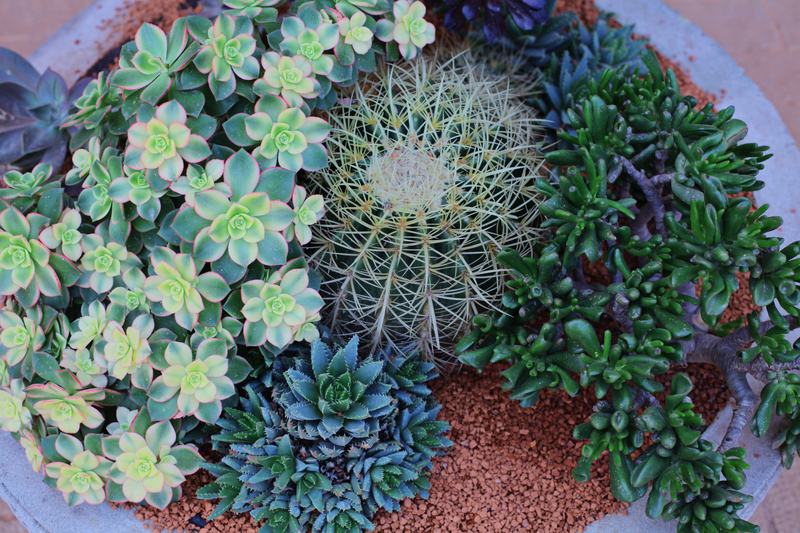
- Succulents and Natives: Agave, sedum, and local wildflowers are adapted to your climate and soil.
Selecting the right varieties ensures lower maintenance and a landscape that can survive long, hot, dry summers.
4. Soil Improvement Tactics
Healthy soil is the first line of defense against summer drought stress. Here's how to boost its water-holding power:
- Add Organic Matter: Mix compost, worm castings, or aged manure to improve texture and moisture retention.
- Aerate the Lawn: Core aeration relieves compaction, helping water penetrate deep into the root zone.
- Use Wetting Agents: These products break up surface tension, helping soil absorb and hold onto water.
Testing your soil every 2-3 years ensures it has the right balance of sand, silt, clay, and organic matter, setting the stage for thriving plants.
5. Smart Lawn Care Practices for Drought Defense
It's not just about water--lawn care habits can greatly affect how stressed your backyard gets in hot weather.
- Mow High: Cut grass no shorter than 3 inches. Taller blades shade roots and hold moisture.
- Leave Grass Clippings: Mulching mowers return nutrients and organic matter to the soil.
- Fertilize Wisely: Overfertilizing increases water demand. Use slow-release, organic fertilizers sparingly in spring and fall.
A combination of proper mowing, leaving clippings, and strategic feeding is essential to stop summer drought stress before it starts.
6. Shade and Windbreak Solutions
Harsh summer sun and wind sap soil moisture. Adding shade and windbreaks can dramatically reduce water loss:
- Plant Trees and Shrubs: Place them on the south and west sides for afternoon shade.
- Use Pergolas, Sails, or Canopies: Temporary structures provide shade for garden beds and patios.
- Build Fences or Hedges: Slow down drying winds, reducing evaporation.
Each layer of protection increases your yard's resistance to summer drought conditions.
7. Water Harvesting and Storage
Why rely solely on municipal supplies? Harvest and store rainwater with these methods:
- Install Rain Barrels: Collect roof runoff for use in gardens and lawns.
- Create Swales: Shallow ditches slow runoff, allowing your landscape to absorb more water.
- Permeable Paving: Paths and patios that let water pass through recharge soil moisture.
Water-wise landscaping not only saves money but gives you an edge in defending your backyard against drought.
Defend Your Backyard with Sustainable Practices
Embrace Xeriscaping
Xeriscaping is the art of low-water landscaping. With the right design, you can create a backyard that's both beautiful and drought-tolerant:
- Group Plants by Water Needs: Place thirsty species together and drought-resistant ones separately.
- Minimize Lawns: Replace water-guzzling turf with ground covers, gravel, or mulch beds.
- Choose Native Plants: They require less maintenance and less water overall.
Xeriscaping is the ultimate technique to stop summer drought stress while still maintaining a vibrant yard.
Integrated Pest and Disease Management
Drought-stressed plants are more susceptible to damage. Strengthen their defenses with:
- Encourage Beneficial Insects: Ladybugs, bees, and lacewings eat pests and help pollinate flowers.
- Monitor for Signs of Stress: Early intervention prevents infestations from spreading.
- Use Natural Controls: Neem oil, insecticidal soaps, and hand-picking minimize chemical reliance.
Healthy plants are naturally more resilient. Integrated approaches keep your backyard thriving, even during drought.
How to Monitor and Respond to Drought Stress
Identify Early Warning Signs
- Check Soil Moisture: Stick a finger or moisture meter 2-3 inches into the soil. Dryness means it's time to water.
- Watch Plant Leaves: Curled, scorched, or yellowing leaves indicate dehydration.
- Observe Lawn Footprints: Grass that doesn't spring back after walking is likely stressed.
Revive Drought-Stressed Sections
- Apply Water Slowly: For best absorption and to avoid runoff, use a slow drip or soaker.
- Add Temporary Shade: Protect sensitive or young plants with canvas or mesh covers.
- Limit Foot Traffic: Compacted soil is harder for water to penetrate; avoid walking on brown patches.
A rapid response can often rescue stressed lawns and gardens.
Additional Super Techniques to Defend Your Backyard from Summer Drought Stress
- Create Microclimates: Use rocks, walls, or water features to change sunlight and moisture patterns.
- Install Automatic Timers: Properly set timers ensure your irrigation system is efficient and consistent.
- Rotate Plant Types: Alternate shallow- and deep-rooted plants to maximize soil moisture use.
- Utilize Reflective Mulches: Certain mulches (like light-colored gravel) reflect sun and moderate heat.
- Practice Rain Gardening: Rain gardens capture stormwater runoff, increasing supply in dry periods.
Frequently Asked Questions: Defending Backyards Against Drought
Should I fertilize my yard during drought?
No. Avoid using high-nitrogen fertilizers when plants are under drought stress. Excess nutrients can scorch roots and increase water demand. Wait for rainfall or improved soil moisture levels before gently applying slow-release or organic fertilizers.
Can mowing my lawn help or hurt during drought?
Mowing correctly is crucial. Never scalp your lawn in summer. Instead, set blades high to maintain grass at least 3 inches tall, reducing soil exposure and evaporation. Leave clippings as organic mulch.
Are native plants really better at surviving drought?
Yes! Native plants are adapted to your local climate and soil. They have deeper roots and natural drought tolerance, needing less watering and care.
How often should I water my yard in a heatwave?
Aim for one deep watering per week, enough to moisten the top 6-8 inches of soil. Avoid frequent shallow watering that promotes weak roots.
Will my lawn recover after drought damage?
Lawns may brown and go dormant in drought but often recover with rain or irrigation. Encourage regrowth with gentle raking, overseeding, and topdressing with compost in the fall.
Conclusion: Defend and Conquer with Super Techniques
Every backyard can become a drought defender with a combination of preparation, intelligent plant selection, water-saving techniques, and sustainable practices.
- Remember: Water deeply, mulch heavily, improve your soil, pick the right plants, and create protective shade.
- Reduce lawn area where possible and transition to xeriscaping.
- Monitor your yard's condition and act quickly on signs of stress.
With these super techniques to stop summer drought stress, your backyard will thrive even when summer is at its hottest and driest. Start defending your outdoor space today, and enjoy a resilient, green oasis all season long!